
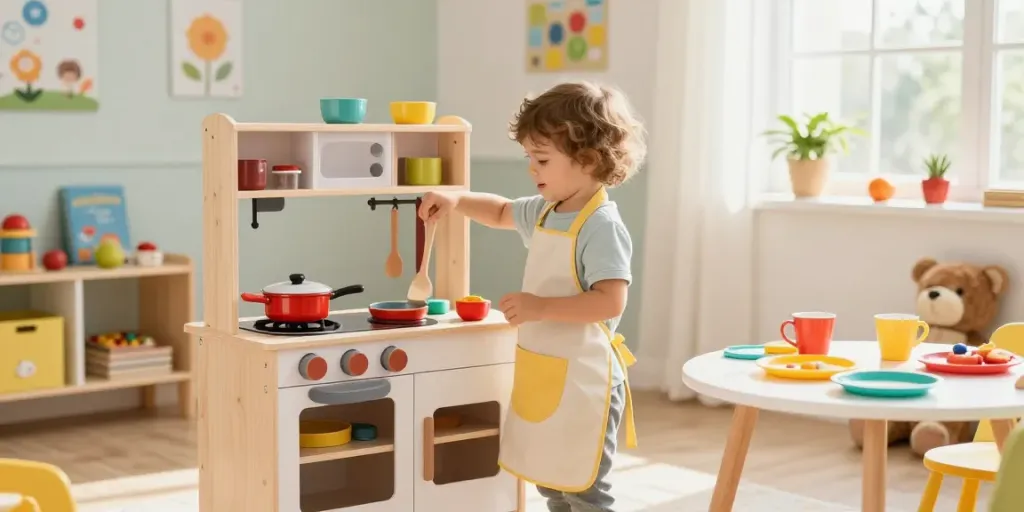
Understanding the Benefits of Kids Kitchen Playsets
In a world increasingly focused on technology and screens, it's vital to ensure that children's playtime remains rich in creativity and imagination. One popular avenue through which they explore this creativity is through kids kitchen playsets. These miniature culinary environments not only provide endless fun but also serve as valuable educational tools. Through role-play, children can learn critical life skills while engaging their imagination in a safe and stimulating setting.
Why Kids Kitchen Sets Stimulate Imagination?
Kids kitchen sets are designed to replicate real kitchens, encouraging children to think creatively and mimically. They can take on various roles—be it a chef crafting a sumptuous meal or a baker creating treats. This form of imaginative play allows them to express themselves and explore different scenarios. Such play is not limited to cooking; it opens avenues for storytelling and social interaction, thus enhancing their imaginative capabilities.
How Pretend Play Enhances Cognitive Skills?
Engaging in pretend play with kitchen sets supports cognitive development in numerous ways. Children develop problem-solving skills as they navigate pretend recipes, and they learn about the cause-and-effect relationship—such as how mixing certain pretend ingredients leads to different outcomes. Additionally, the process of role-playing various kitchen duties can elevate their organisational skills, as they must remember steps and manage their playtime effectively.
Social Benefits of Cooperative Cooking Play
When children cook together in their play kitchens, they learn essential social and communication skills. Sharing kitchen space encourages teamwork and collaboration, teaching them how to negotiate roles and share resources. This cooperative play fosters the ability to communicate effectively with peers, thus laying the groundwork for lifelong relational skills.
Choosing the Right Kids Kitchen Set for Your Child
With numerous options on the market, selecting the ideal kids kitchen set can be daunting. However, knowing what to look for can simplify the decision-making process. Factors such as age appropriateness, size, and features are key considerations when choosing a kitchen set that will provide endless enjoyment and learning opportunities.
Factors to Consider: Age, Size, and Features
When selecting a kitchen playset, it's essential to consider your child's age. Most sets are tailored for toddlers and preschoolers aged 2-6, featuring adjustable heights and child-friendly accessories. Size is equally important; a larger kitchen may accommodate more children but may not fit well in smaller playrooms. Additionally, consider features such as interactive elements (like lights and sounds), which can significantly enhance the play experience.
Material Quality: Wood vs Plastic Kitchen Sets
The choice between wood and plastic kitchen sets often comes down to personal preference and safety considerations. Wooden kitchen sets are typically more durable and offer a classic aesthetic appeal, while plastic sets can be lightweight and easier to clean. Regardless of the material, ensure that the playset meets safety standards and is constructed from non-toxic materials.
Essential Kitchen Accessories for Creative Play
Accessories are vital in enhancing the functionality and creativity permitted by kitchen sets. Consider adding items such as play food, utensils, pots, and pans to enable a more immersive experience. These accessories not only make the play more realistic but also teach children about food items, cooking processes, and even portions during their imaginary cooking adventures.
Safety First: Ensuring Safe Play with Kitchen Sets
Prioritising safety is paramount when it comes to playsets. Parents should always check for certifications and make informed choices to ensure a safe environment for their children’s imaginative cooking sessions.
Non-Toxic Materials: What to Look For?
When purchasing a kitchen set, look for products made from non-toxic materials. This is especially important for younger children who may put toys in their mouths. Brands that adhere to safety regulations often display certifications that indicate their products are free from harmful substances, making them safer for play.
Safe Design Features: Edges and Stability
Examine the design features of the kitchen set, focusing on edges and stability. Rounded edges and a stable base help prevent injuries during playtime. Additionally, ensuring that the set does not tip over easily is crucial for encouraging safe and enjoyable experiences.
Maintaining a Safe Play Environment
To maintain safety during play, establish a clean and organised space for the kitchen set. Regularly inspect play accessories for wear and tear, which can pose risks. Moreover, teaching children the importance of caring for their belongings can promote a safe play environment.
Encouraging Learning Through Cooking Play
Cooking play is more than just fun; it is an effective medium for learning and skill development. Through various activities associated with kitchen playsets, children can gain knowledge in diverse subjects, from basic math to science.
Cooking Concepts: Measuring, Mixing, and Timing
Kids kitchen sets provide an excellent opportunity to introduce basic cooking concepts such as measuring, mixing, and timing. Teaching children how to measure ingredients accurately can help develop their understanding of numbers and fractions. Similarly, following a recipe can introduce concepts of sequencing and timing, essential skills for problem-solving in everyday life.
Exploring Nutrition Through Play: Food Groups
Incorporating play food into the kitchen set encourages children to discover various food groups and nutrition. This playful learning not only educates them about healthy eating habits but also fosters an early interest in cooking and food preparation. Understanding the importance of balanced meals lays the groundwork for healthier choices in the future.
Cooking Play as a Medium for Cultural Education
Play kitchens can be a gateway to exploring different cultures through their cuisines. Children can learn about various cultural dishes and cooking techniques, promoting diversity and appreciation for global traditions. This exposure can enrich their understanding of the world and encourage open-mindedness.
Future Trends in Kids Kitchen Products for 2026
As the toy industry evolves, so too do the trends surrounding kids kitchen sets. For 2026, expect to see innovative designs and sustainability playing significant roles in the development of these playsets.
Innovative Designs: Smart Kitchens for Kids
Emerging technology will likely introduce smart kitchen playsets that incorporate interactive features like touchscreen interfaces and app integration. These innovations may enhance the way children learn through play, providing instant feedback and instructional gameplay that aligns with educational objectives.
Eco-Friendly Kitchen Sets: Sustainability in Toys
With growing environmental awareness, eco-friendly materials are expected to dominate the market. Companies will strive to produce kitchen sets made from sustainable resources that not only engage children but also teach them the importance of caring for the planet.
The Role of Technology in Play Kitchens
Technology will continue to shape the evolution of kids kitchen sets, incorporating elements like augmented reality that allows children to see virtual cooking demonstrations or receive playful challenges. Such technology can serve to make playtime more interactive and educational.
What are the Top Trends for Kids Kitchen Playsets?
As we approach 2026, the focus will shift to integrating multi-functional playsets that can transition from kitchen play to other themes, promoting versatility and maximising play potential. Emphasising modular designs will allow families to adapt playsets as their children grow and their interests shift.
How Will Kids Kitchen Sets Evolve in the Coming Years?
The future of kids kitchen sets is bright, with greater emphasis on customized experiences. Brands may offer modular components or themed additions that allow children to build their dream kitchen, further enhancing their creativity and engagement during play.