
Understanding Corporate Security: What Businesses Need to Know
As the modern business landscape evolves, understanding corporate security has never been more critical. Corporate security encompasses a set of strategies and measures aimed at safeguarding assets, personnel, and information from various threats—both internal and external. This involves the management of physical and cyber risks to ensure business continuity and protect company reputation. Effective corporate security is not just about reacting to incidents as they occur; it's about proactively managing potential threats before they escalate. When exploring options, Corporate Security providers can offer comprehensive insights...
The Importance of Corporate Security
Corporate security is vital for several reasons. Firstly, it protects the organization’s assets, including financial resources, intellectual property, and physical premises. In an age where data breaches and cyber-attacks are prevalent, securing sensitive information is paramount to maintaining trust with stakeholders and complying with legal obligations. Additionally, effective corporate security helps to mitigate risks associated with vandalism, theft, and workplace violence, thereby ensuring the safety of employees and customers alike.
Key Components of an Effective Corporate Security Strategy
- Risk Assessment: Regular evaluations to identify vulnerabilities and potential threats.
- Access Control: Restricting unauthorized access to sensitive areas using physical and digital measures.
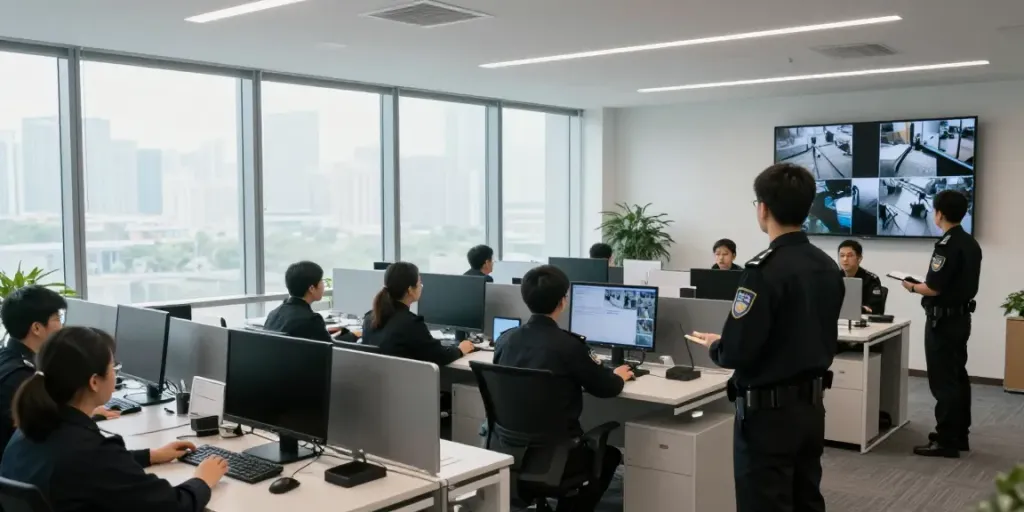
- Surveillance Systems: Utilizing cameras and monitoring software to keep an eye on premises and detect suspicious activities.
- Emergency Response Plans: Clearly defined procedures for responding to security breaches or emergencies.
- Training and Awareness: Educating employees about security policies and best practices to foster a culture of vigilance.
Proactive Measures for Threat Detection and Management
Implementing a proactive approach is essential in managing security threats effectively. This includes utilizing advanced surveillance technology that can detect unusual behaviors or breaches, conducting regular security drills, and staying up-to-date with the latest trends in risk management. Additionally, businesses can engage third-party risk management services to assess their security posture and provide tailored solutions.
How to Choose the Right Corporate Security Provider
Selecting a corporate security provider can significantly impact your organization’s safety. It’s crucial to consider several factors to ensure you partner with a reputable and capable service provider.
Essential Questions to Ask Before Hiring
Before engaging a corporate security firm, consider these key questions:
- What experience do they have in your specific industry?
- Are their personnel trained and licensed by relevant authorities?
- What technology and systems do they use to manage security?
- How do they measure success and performance in security operations?
- Can they provide client references or case studies?
Reviewing Credentials and Certifications in Corporate Security
Ensure that the security company holds necessary accreditations such as SIA Approved Contractor or ISO 9001 certification. These credentials signify adherence to industry standards and a commitment to excellence in security practices.
Comparing Services and Pricing from Different Providers
Different corporate security providers may offer varying ranges of services and pricing structures. It's essential to compare services like surveillance, emergency response, and risk management, ensuring that you understand what is included in their offerings. Investing in security might come at a cost, but it is critical to ensure the protection of your business and peace of mind.
The Cost of Corporate Security Services Explained
Understanding how much you may need to invest in corporate security can help you budget correctly and avoid potential scams. Costs often vary depending on the level of service, location, and specific security challenges faced by your organization.
Understanding Pricing Models: Hourly vs. Contract Services
Security services are typically billed either hourly or as part of a contractual agreement. Hourly services are suitable for short-term needs, such as specific event security, while contract services usually cater to long-term security provisions, ensuring consistent protection and management.
Factors that Affect Corporate Security Costs
- Service Scope: Comprehensive services cost more compared to basic security measures.
- Personnel Training: Highly trained and specialized staff command higher wages.
- Technology: Advanced surveillance systems can significantly raise costs.
- Location: Operating in higher-risk areas may necessitate more robust security measures.
What to Expect in Terms of Return on Investment
Investing in corporate security can yield significant long-term benefits. A solid security strategy can lead to reduced theft, lowered insurance premiums, and enhanced employee productivity. Ultimately, the ROI of effective security measures not only protects your assets but also contributes to the overall success of your business.
Licensing and Compliance: Ensuring a Legally Sound Security Solution
Compliance with local laws and regulations is essential for maintaining legitimacy and ensuring that your security operations are both effective and legal.
The Role of Licensing Authorities in Corporate Security
In the UK, security services are regulated by the Security Industry Authority (SIA), which mandates that security personnel are trained and vetted to ensure they meet specific standards. Engaging with SIA-licensed personnel represents a commitment to safety and professionalism.
Staying Compliant with Local Regulations and Standards
Businesses must stay updated on changing laws surrounding security practices to ensure compliance. Regular liaising with legal advisors or compliance specialists can help maintain the necessary standards.
Documentation to Maintain for Corporate Security Providers
Proper documentation is critical for compliance. This includes employee licensing, service contracts, risk assessments, and incident reports. Keeping detailed records can aid in audits and strengthen your legal standing.
Customer Reviews and Testimonials: Building Trust in Corporate Security
Customer reviews and testimonials can provide valuable insights into the reliability and effectiveness of corporate security providers.
Finding Reliable Reviews and Feedback
Look for reviews on trusted platforms where real clients share their experiences. Websites such as Trustpilot or Google Reviews can provide transparency in the company's reputation.
Analyzing Customer Experiences with Corporate Security Companies
Pay attention to both positive and negative feedback. Analyze how the company responds to criticism and whether they take proactive steps to address any concerns raised by their clients.
How Testimonials Influence Your Security Partner Choice
Testimonials from reputable sources can bolster a security provider's credibility. For more information, Corporate Security offers valuable insights. Take the time to read detailed accounts of past performance, as this can guide your decision-making process.